

Furniture profiles complete a range of fixing, gripping and finishing details, from cabinet doors to shelf and hanging arrangements. The Yiğit Alüminyum collection includes handle, bottom and top track, wardrobe rail, trouser rail, shelf, U capping and worktop front models. When choosing an aluminium furniture profile, look at the panel section, the connecting part and the direction of use together.
Category guide
The section of a furniture profile is shaped by the job of the part it will be used on. A handle profile creates a grip area, a track profile guides the movement of a sliding door, and a capping section finishes an exposed panel edge. For this reason, products should be compared not only by appearance but also by panel thickness, fixing type and the hardware they will work with.

The Apaçi handle profile, the Y handle profile and the Ç handle profile offer different push-fit and grip sections. The way the door edge is machined and the visible grip surface are assessed together. Panel thickness and the need for a groove are checked model by model.
The bottom track profile and the top track profile complete the lower running line of the door and the upper guide arrangement. When choosing a sliding wardrobe track, the roller, the guide, the door thickness and the system layout should be reviewed together.
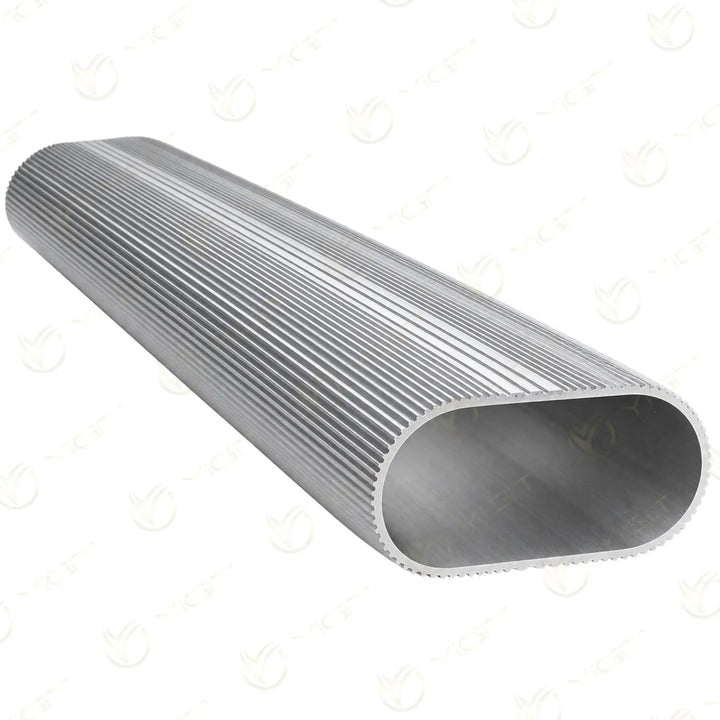
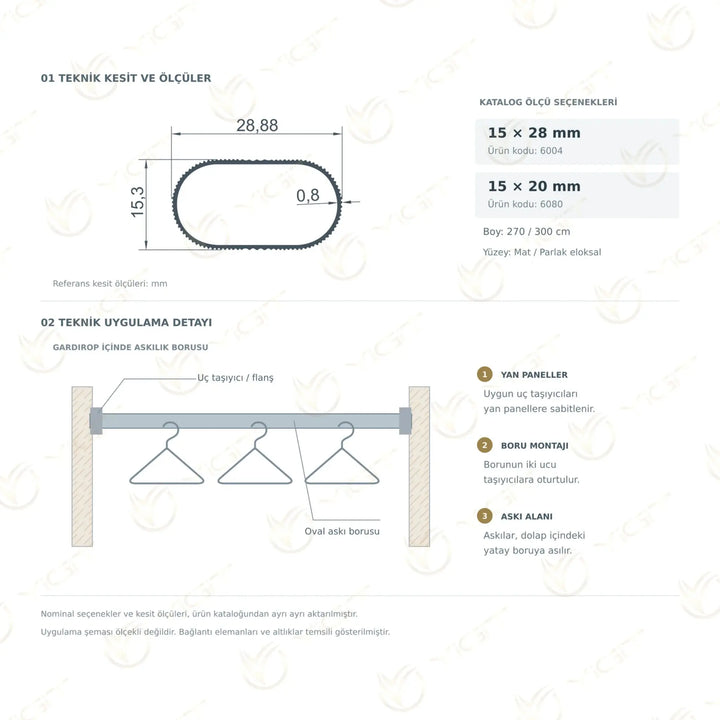
The wardrobe rail, the ribbed trouser rail profile and the shelf profile perform different jobs in wardrobe or display arrangements. The section shape, end fittings and supports must be matched. The expected load is assessed on the basis of the completed fixing system.
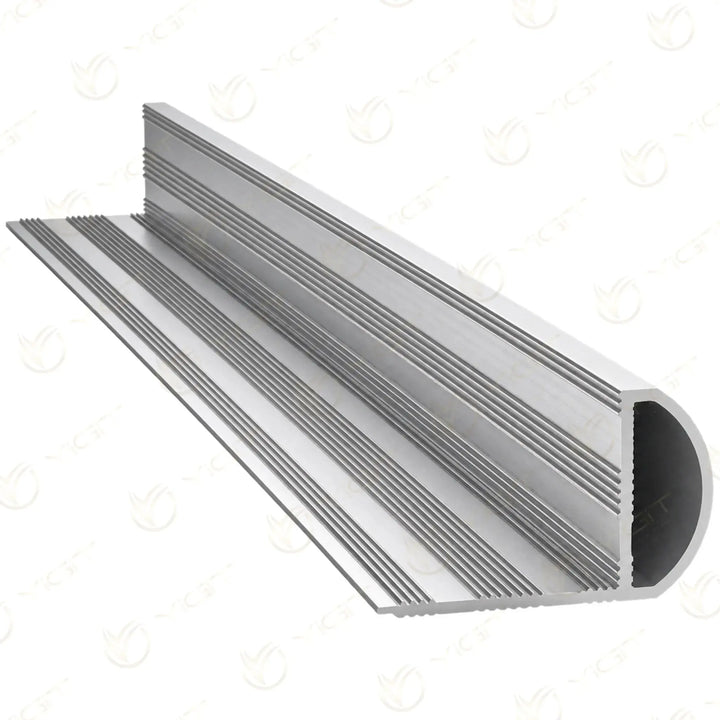
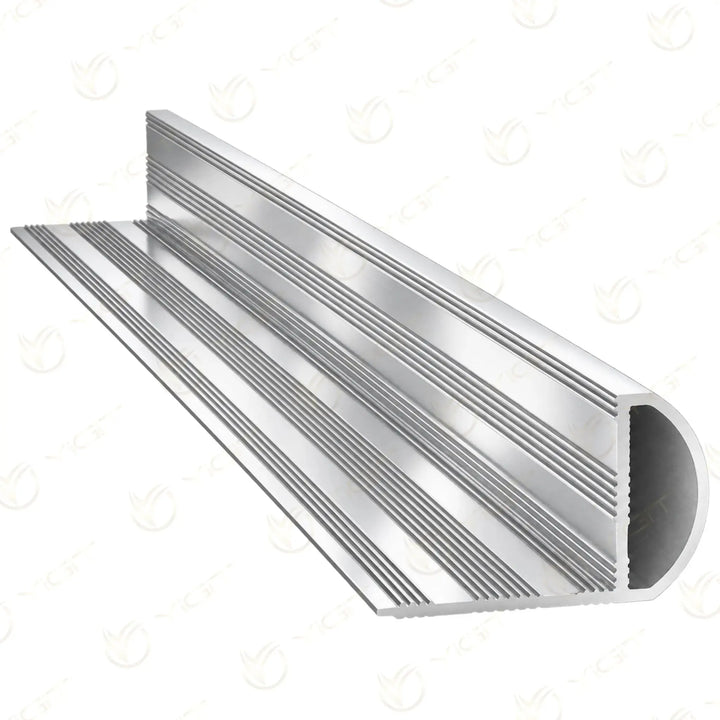
A U capping profile wraps around the panel edge; a worktop front profile finishes the visible front edge of a suitable worktop. The channel width, the fixing allowance underneath and the finishing direction should be compared with the application drawing.
For handle and capping models, compare the push-fit channel with the actual thickness of the panel. Allowances for edge banding and machining on the door edge must be taken into account.
Match tracks, rollers, rail ends and shelf supports within the same system. Parts with similar sections should not be assumed to be compatible.
Review the door opening, the sliding direction and the finger clearance together with the furniture design. Check how far the handle projects in relation to neighbouring doors.
Choose the visible metal finish together with the colour of the furniture. Cut ends and corner joints should be finished in a way that suits the place of use.
Cabinet handle profiles, wardrobe hanging components and sliding tracks are considered for kitchens, dressing rooms and storage furniture. Shelf and capping sections are chosen according to the joint detail of the board or panel. For the worktop front model, the section and the fixing type of the stone or worktop material should be reviewed separately.
Before the profile is cut, the panel thickness, the channel depth and the compatibility of the fixing component should be checked. In a sliding system, the bottom and top lines are installed in the same alignment. In hanging and shelf arrangements, the fixing positions of the supports are planned. Doors, moving parts and finishes are tried together after installation; load capacity is not assumed from the product name.
Decide whether you need a handle, track, rail or finishing profile; match the profile with the panel and the fixing hardware.
We use only essential cookies, which are needed for the site, the cart and your order to work. For details, see: Cookie and Explicit Consent Notice