


The Yiğit Alüminyum product collection brings together profile groups for lighting, wall and floor finishes, stairs, furniture and plastering. You can start from the relevant category by identifying the joint or the installation need in your project. The profile section, the application surface and the compatibility of accessory parts should be considered together when choosing a product.
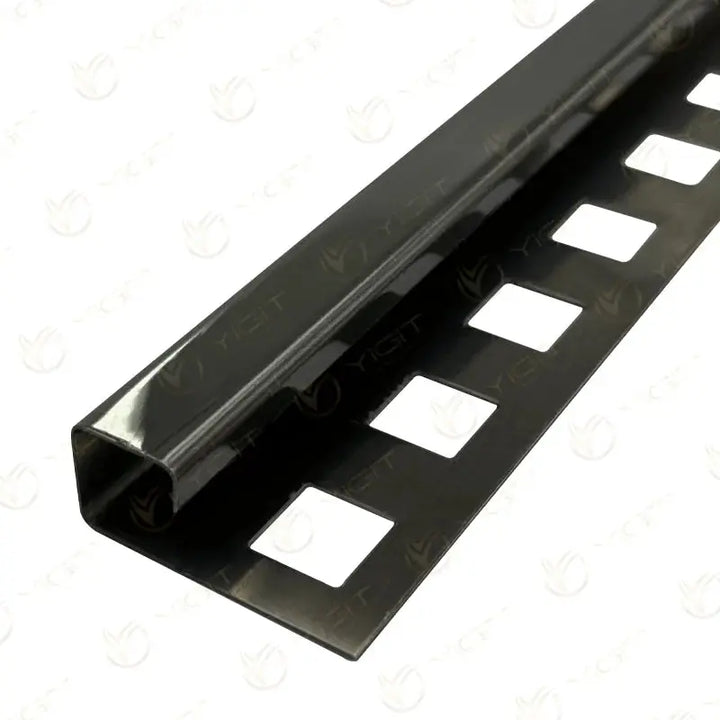
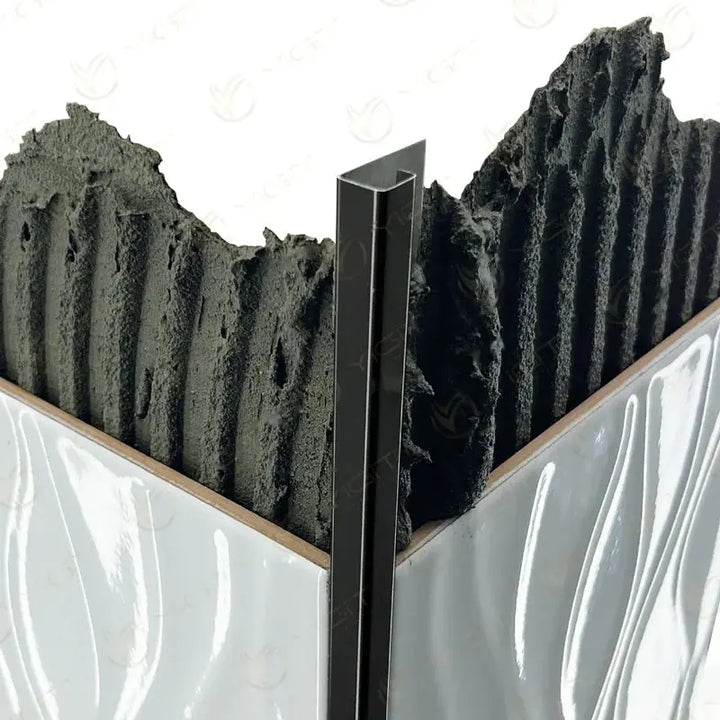
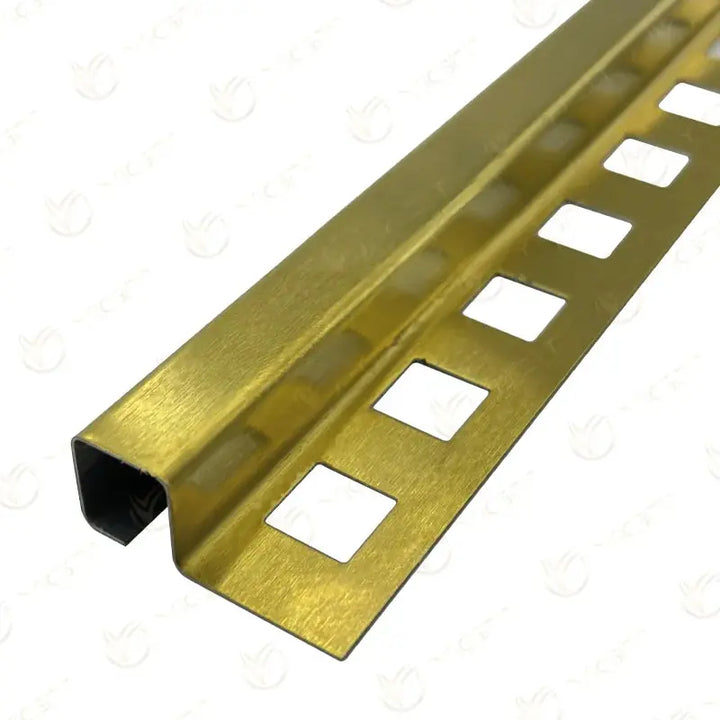
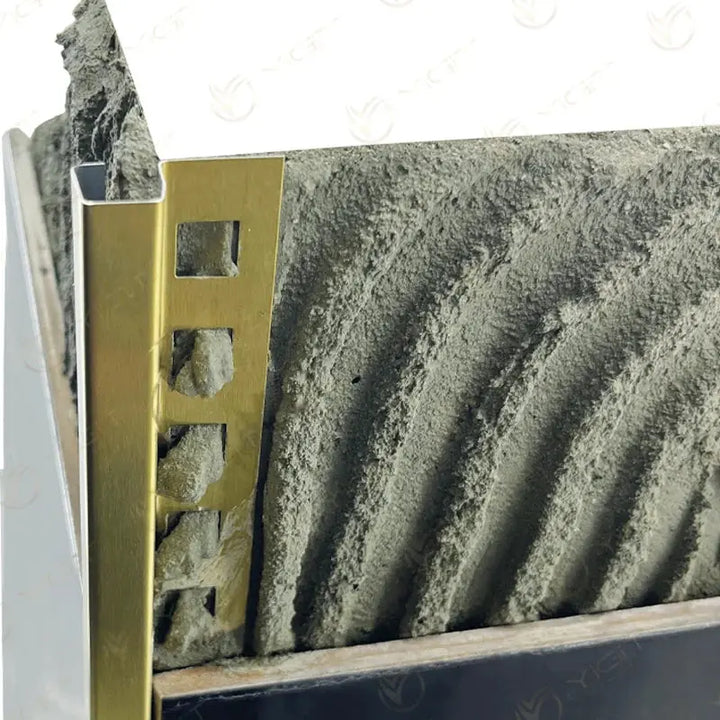
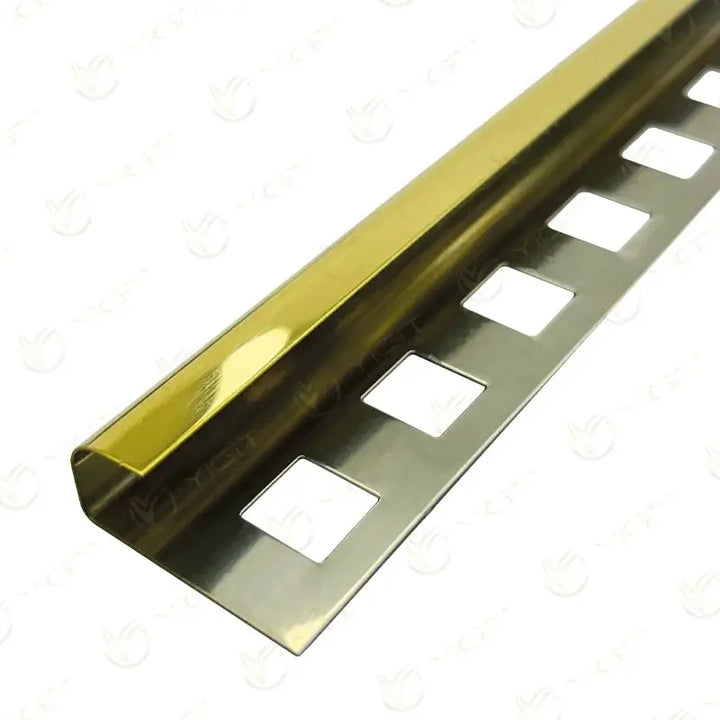
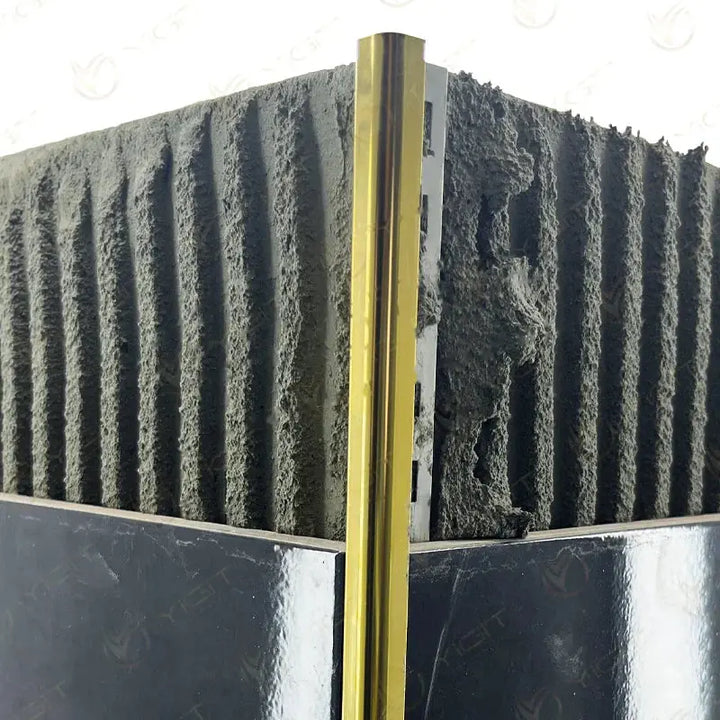
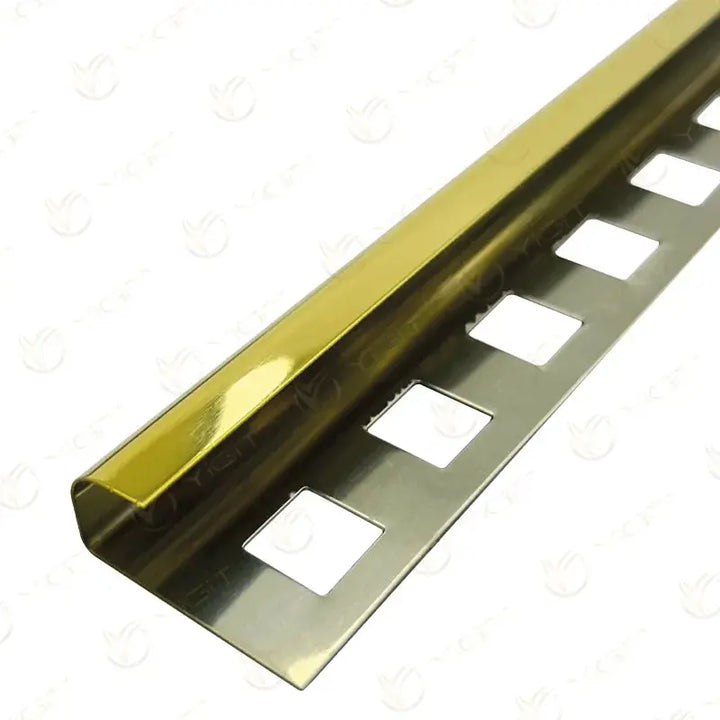
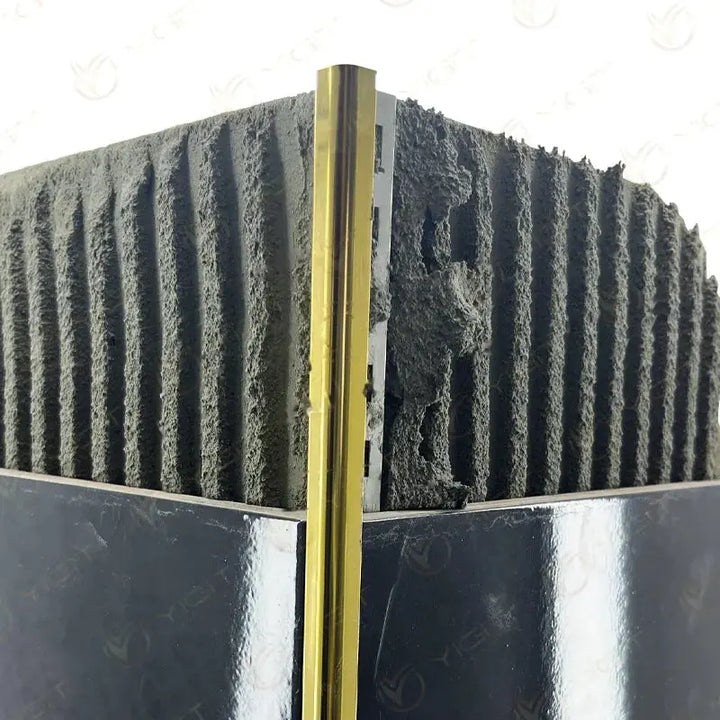
Stainless Steel Tile Profiles
Price on request
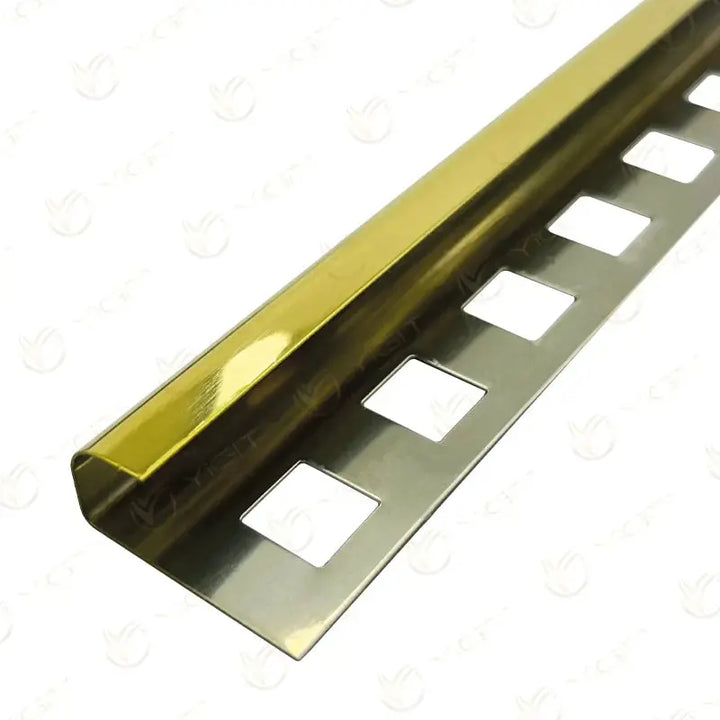
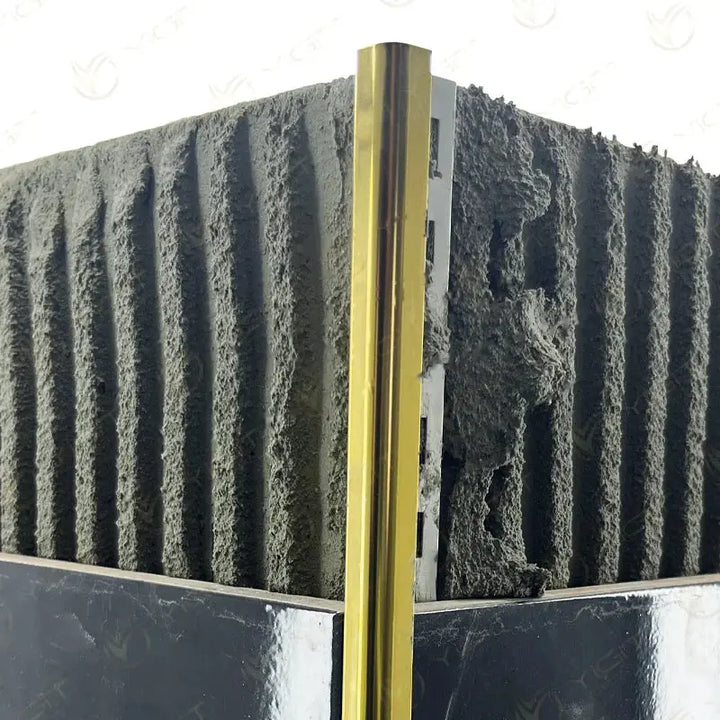
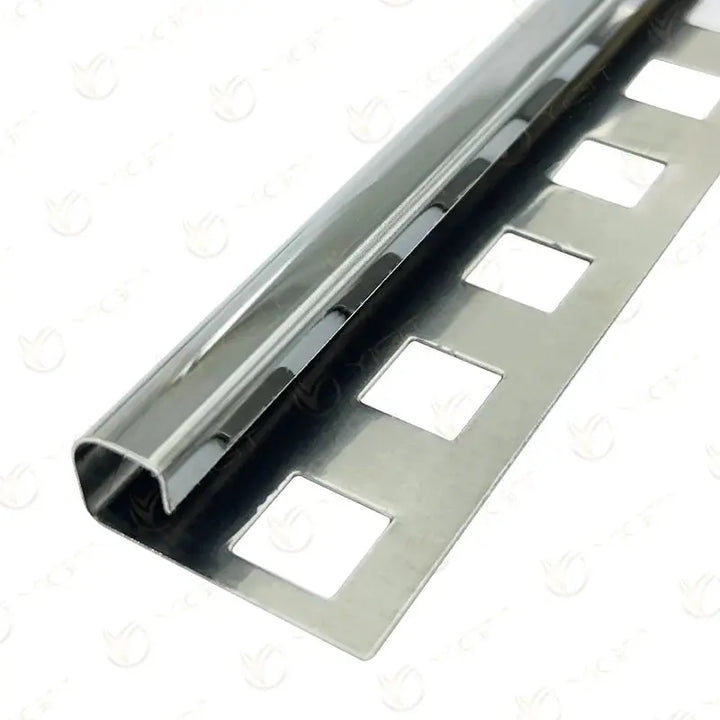
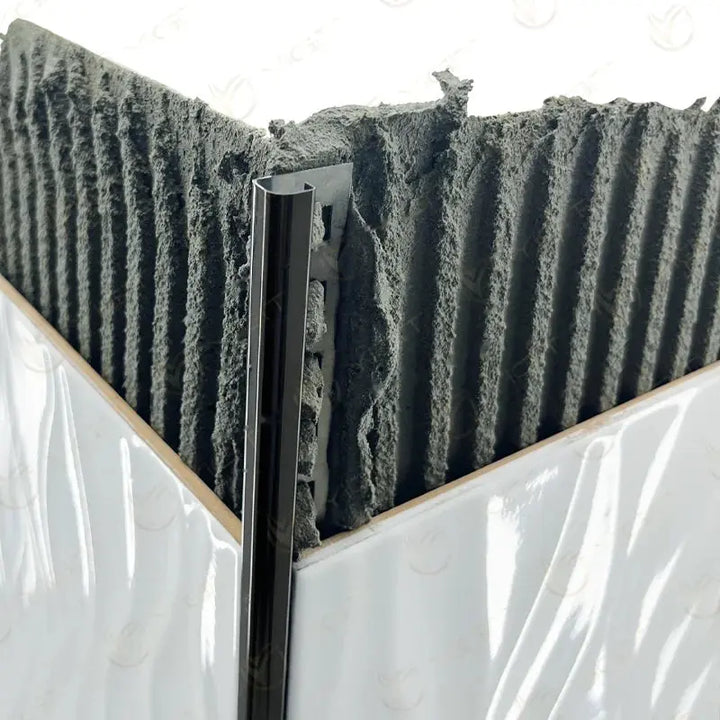
Stainless Steel Tile Profiles
Price on request


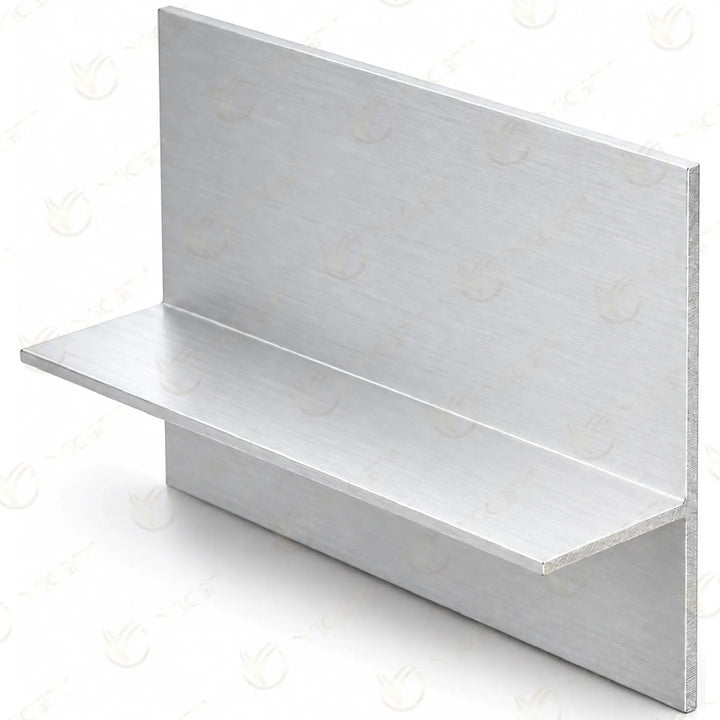
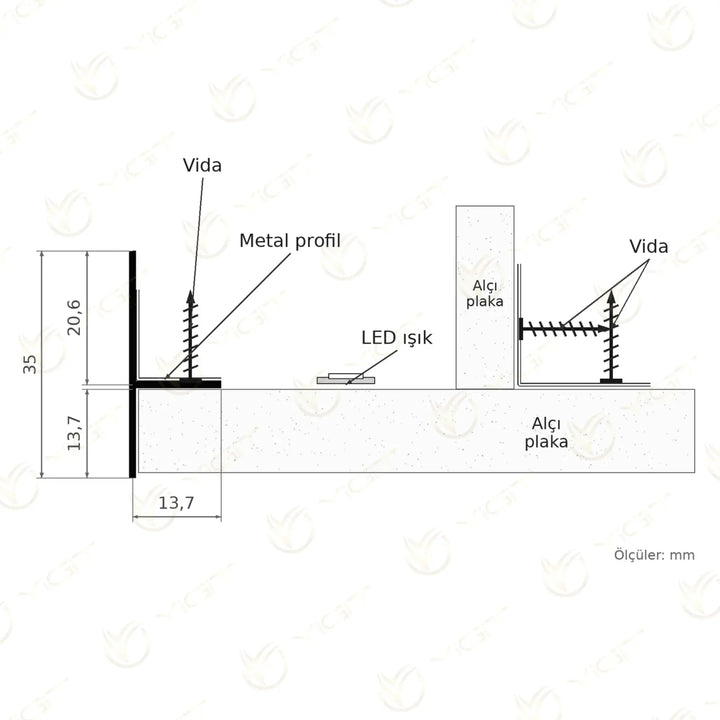
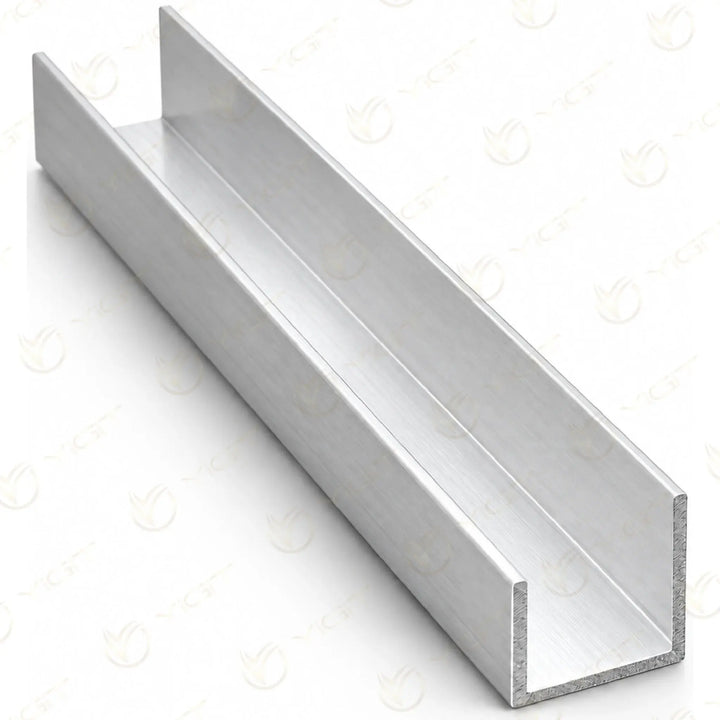
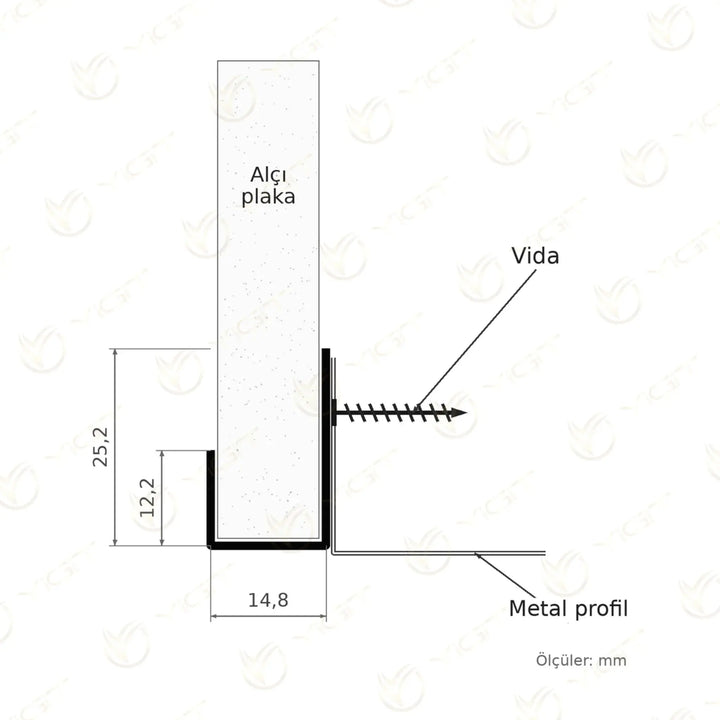
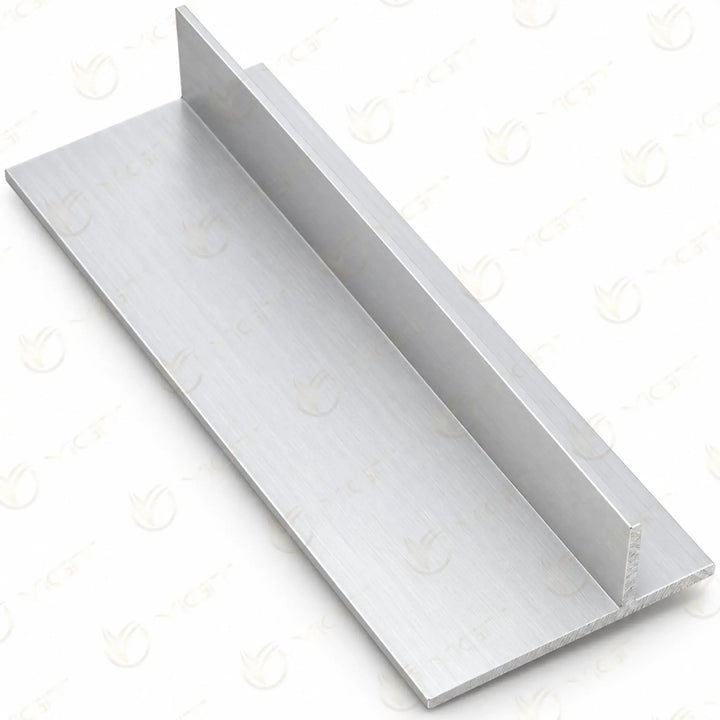
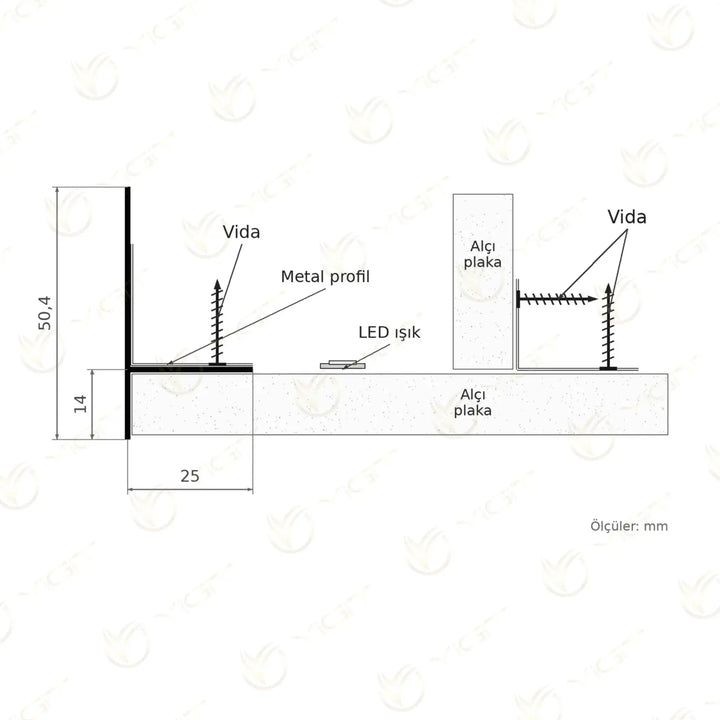
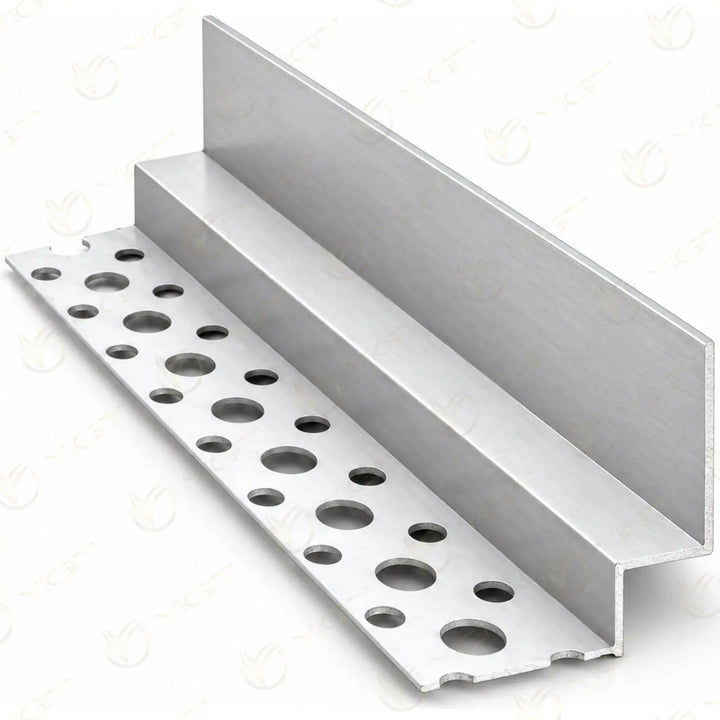
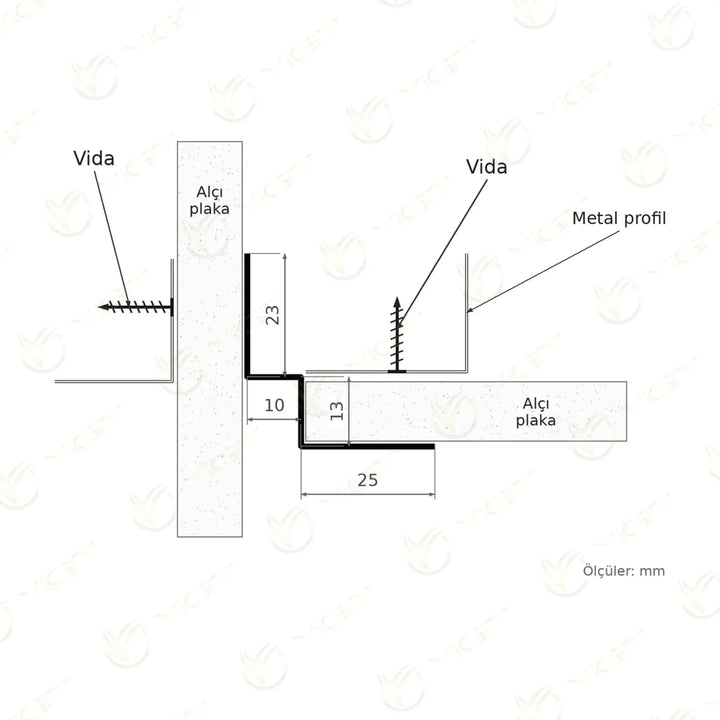
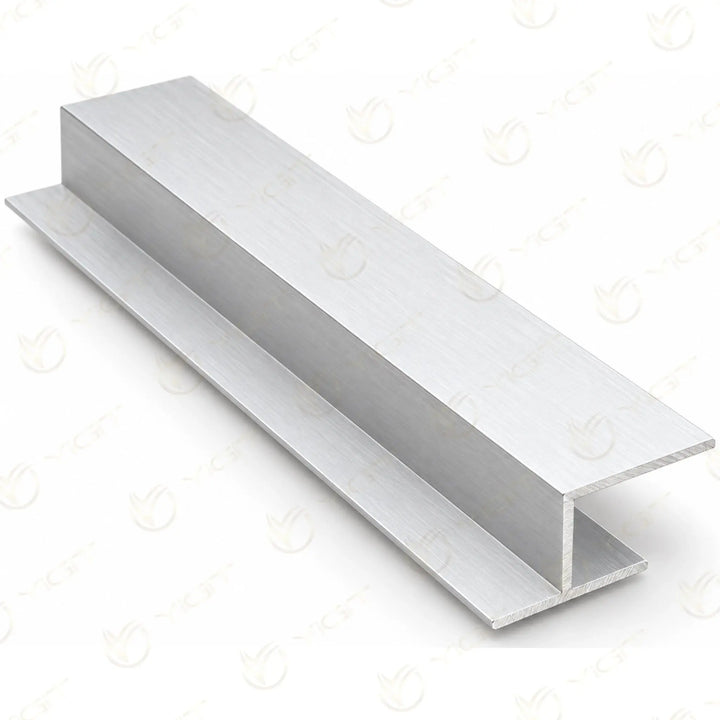
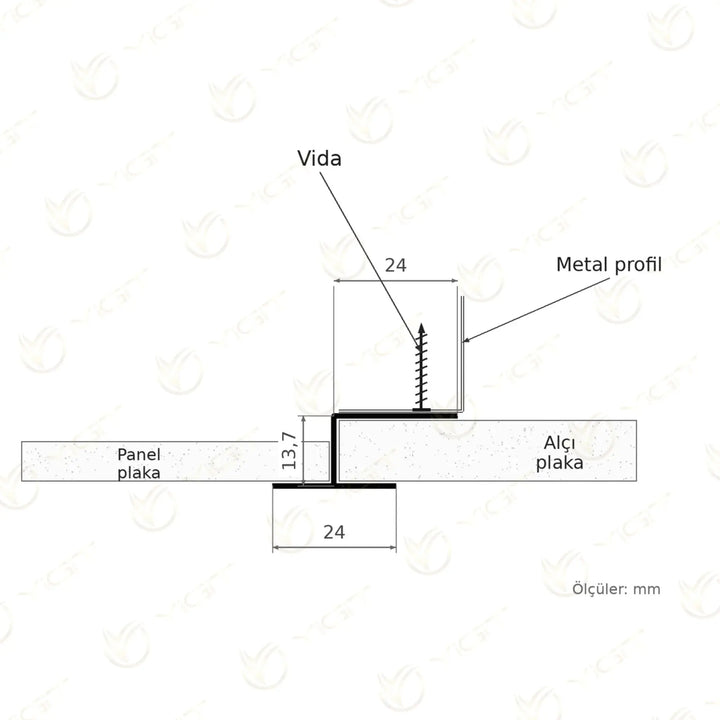
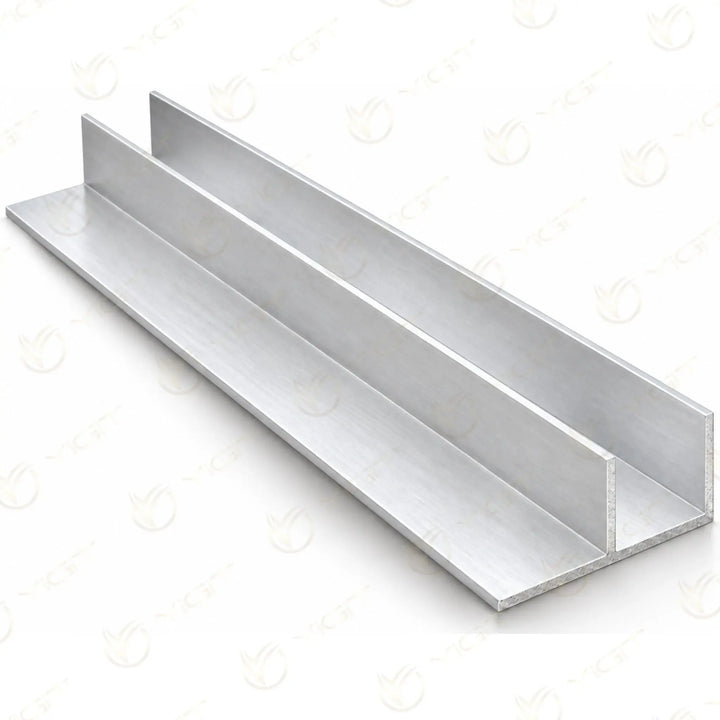
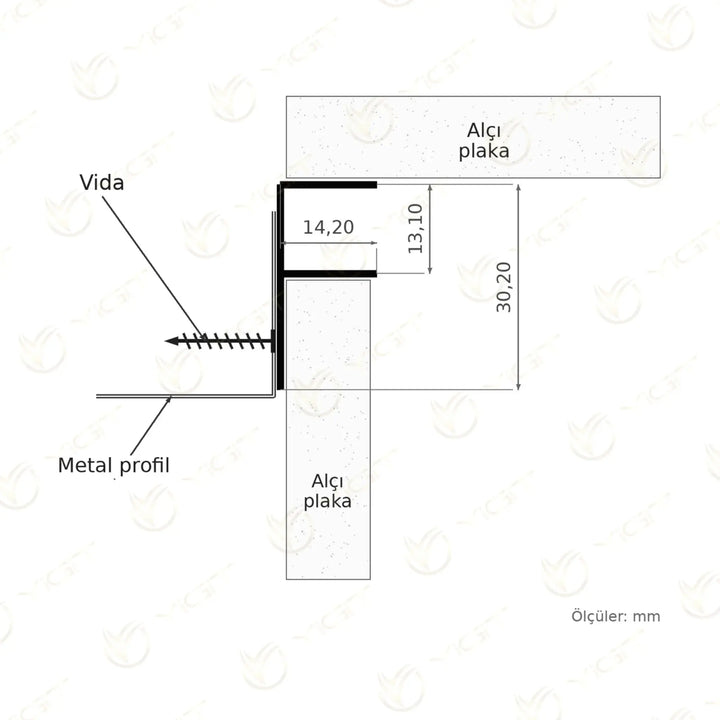


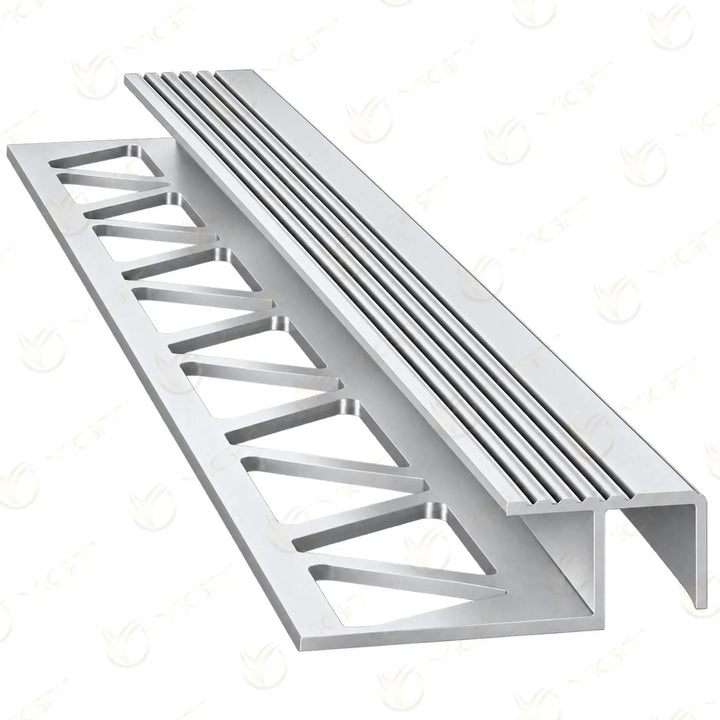
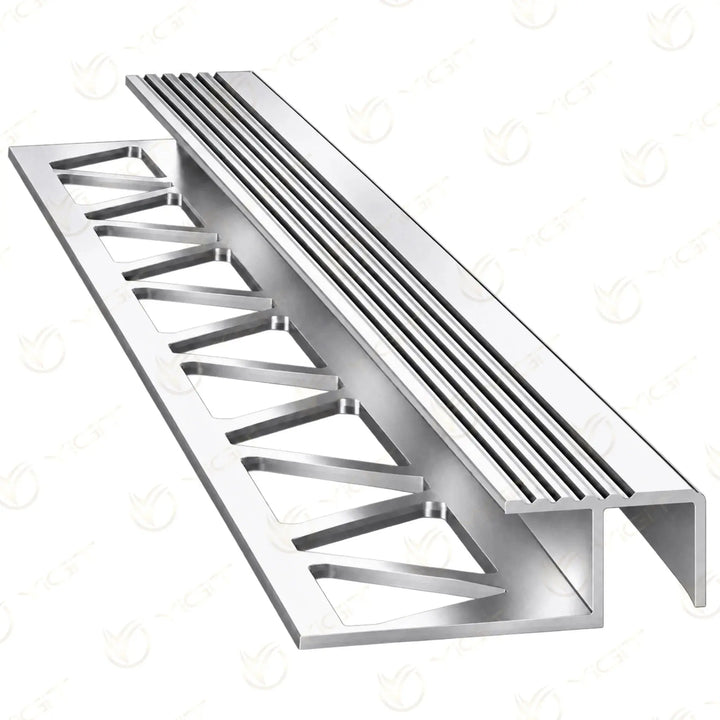
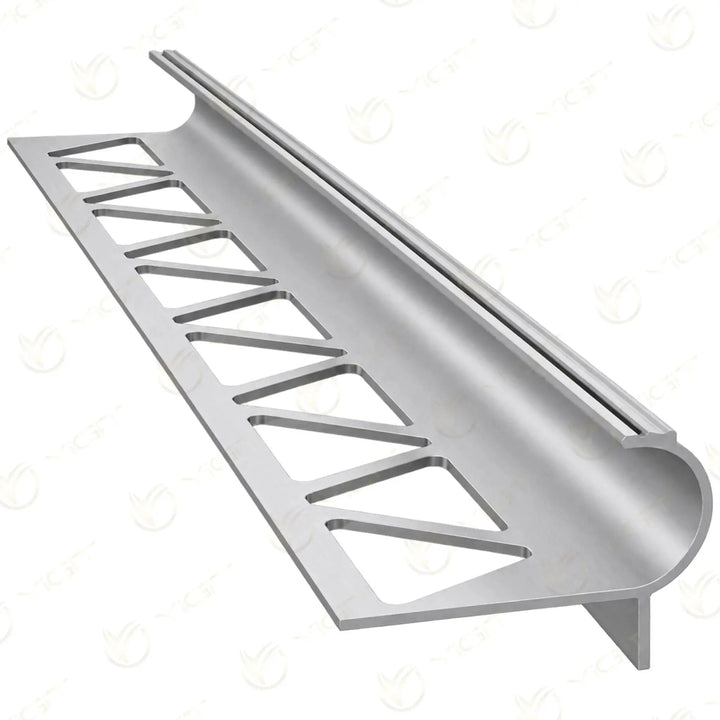

Category guide
Depending on the detail they are used in, aluminium profiles act as a lighting channel, a covering edge, a transition piece or a furniture component. When choosing a decorative profile, the surface the section will sit on matters as much as the visible shape. In addition to profile bodies, the collection includes covers, skirting accessories and tile levelling parts; these accessories should be chosen to be compatible with the relevant system.
LED profiles are divided into different groups for plasterboard, furniture, ceiling corners, pendants and light lines at the base of the wall. Decide whether you need a recessed body, a frameless finish, a surface-mount channel or a luminaire housing, then compare the models in the relevant LED subcategory.
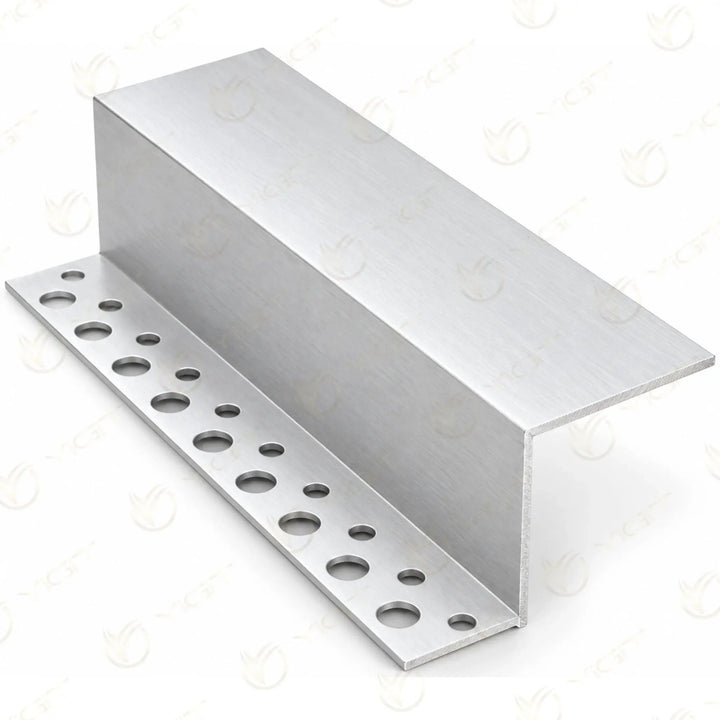
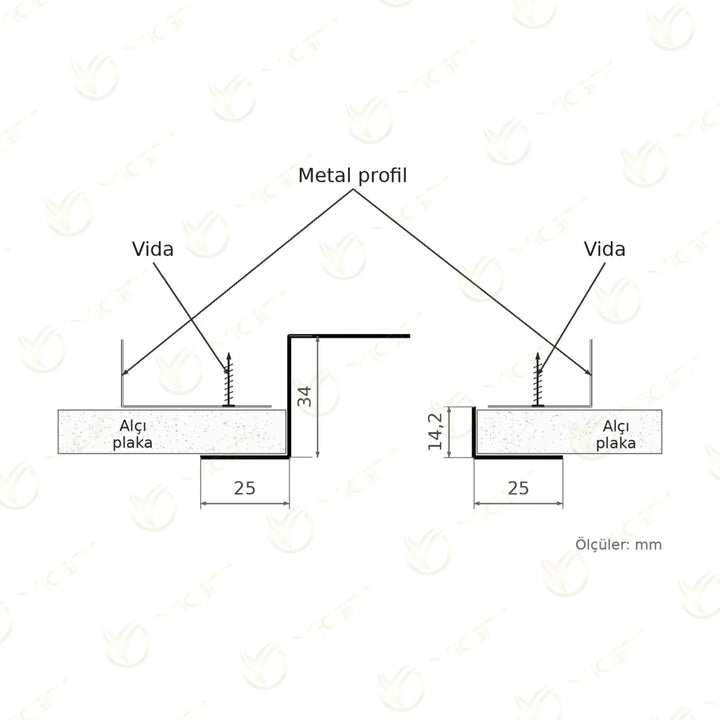
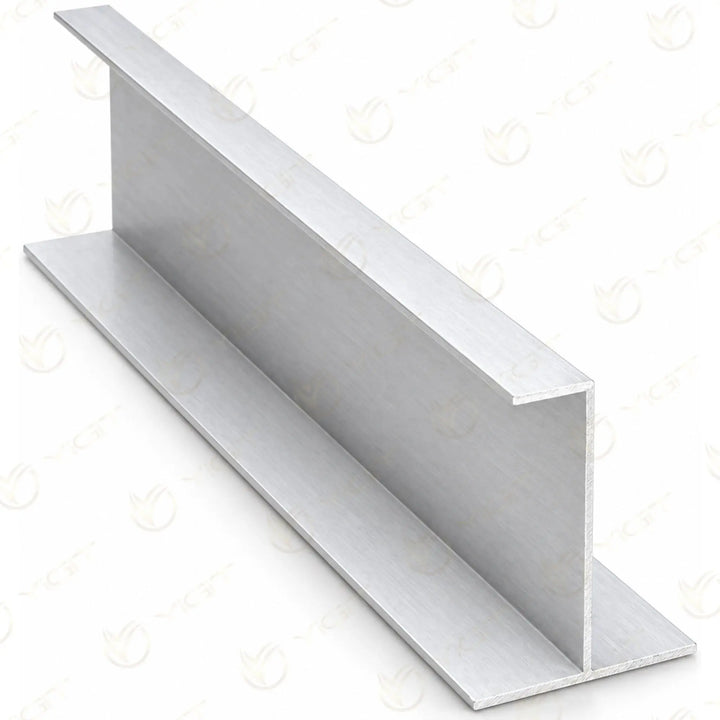
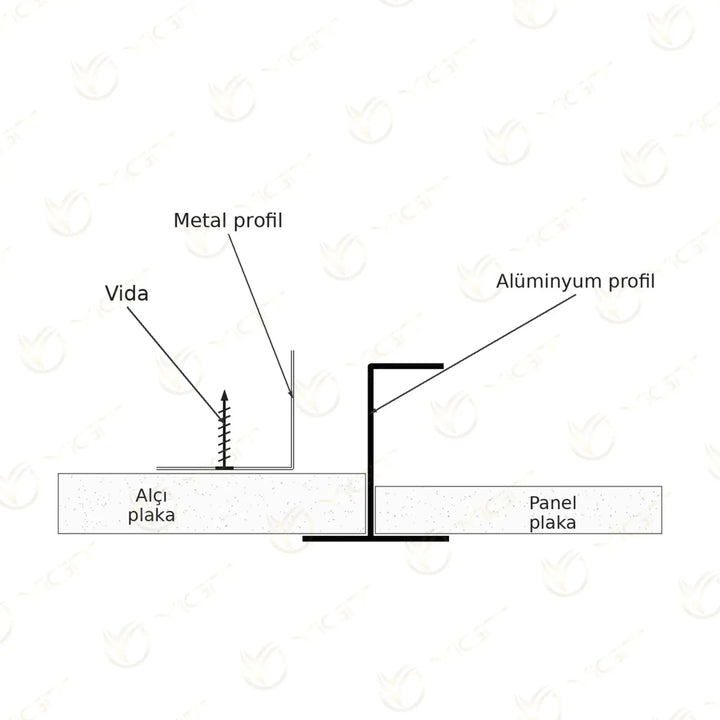
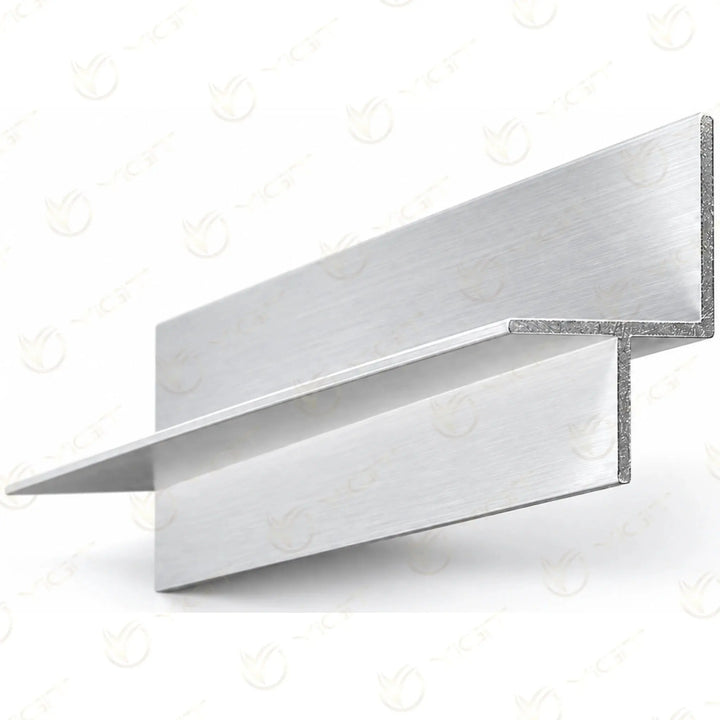
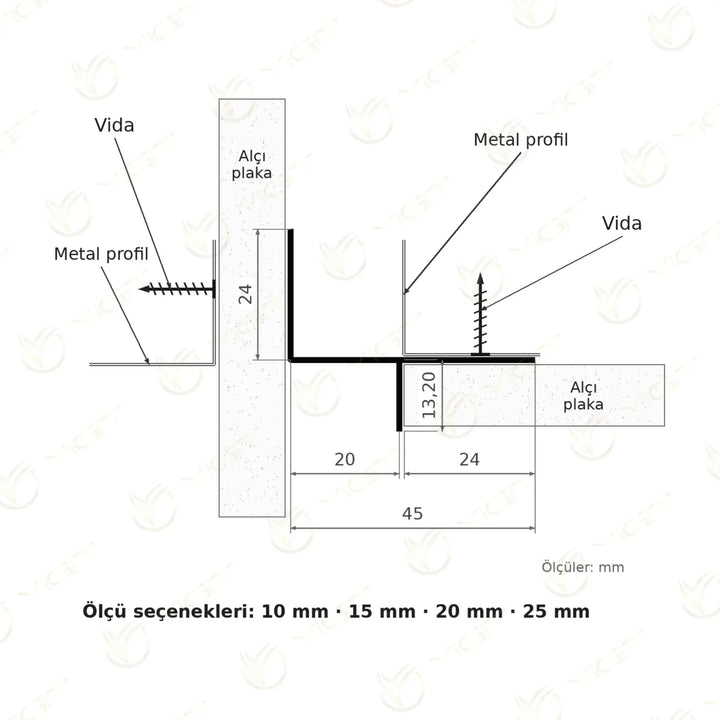
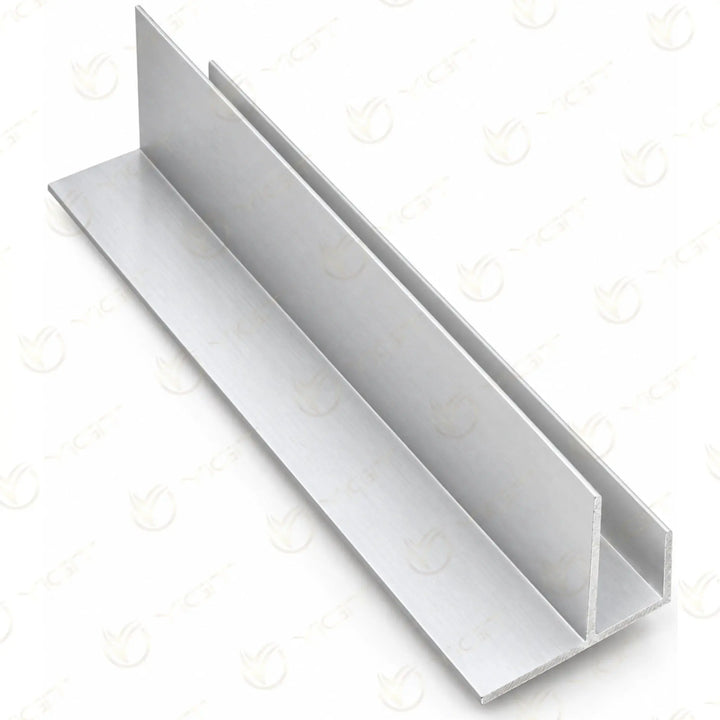
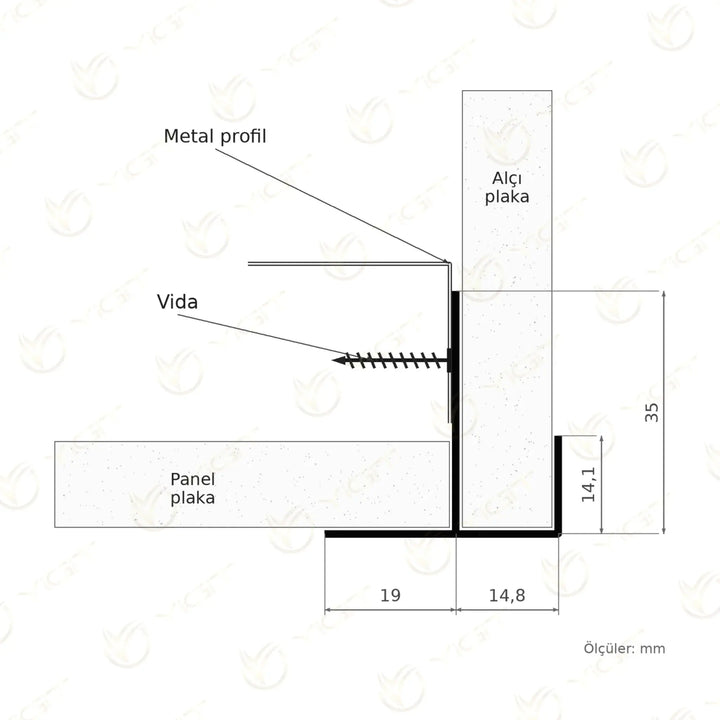
PVC panel profiles tidy up the corner, joint and edge lines of the panel. Plasterboard profiles are considered for Z edge and shadow-gap details. Skirting profiles finish the joint between wall and floor; corner and end accessories are matched to the body model.
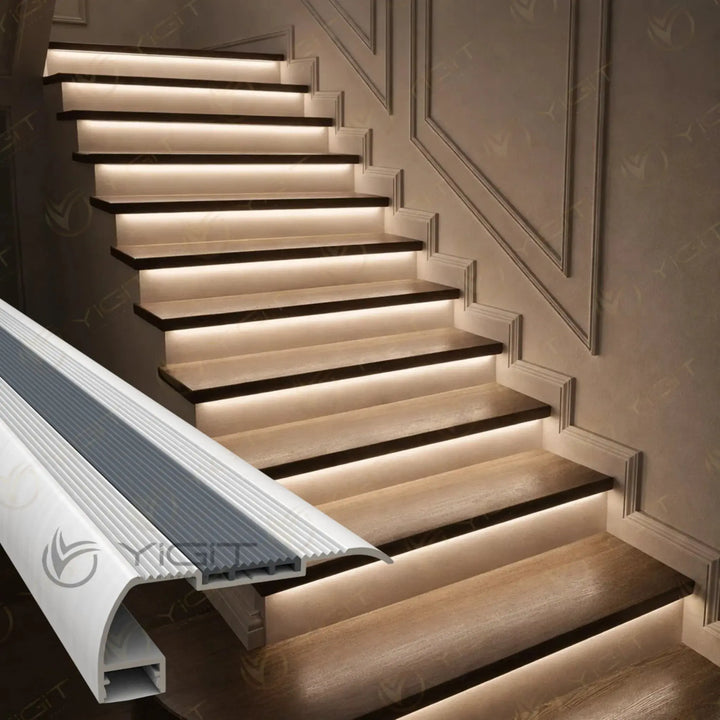
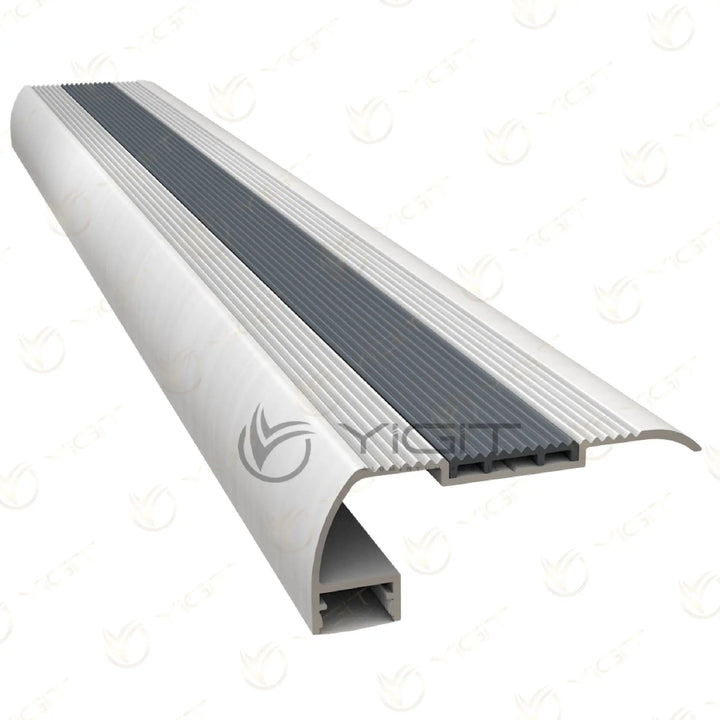
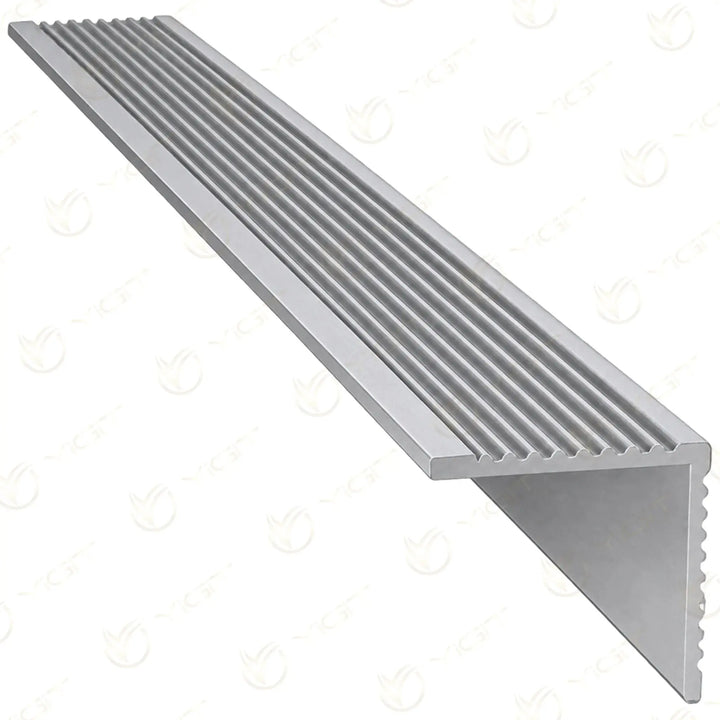
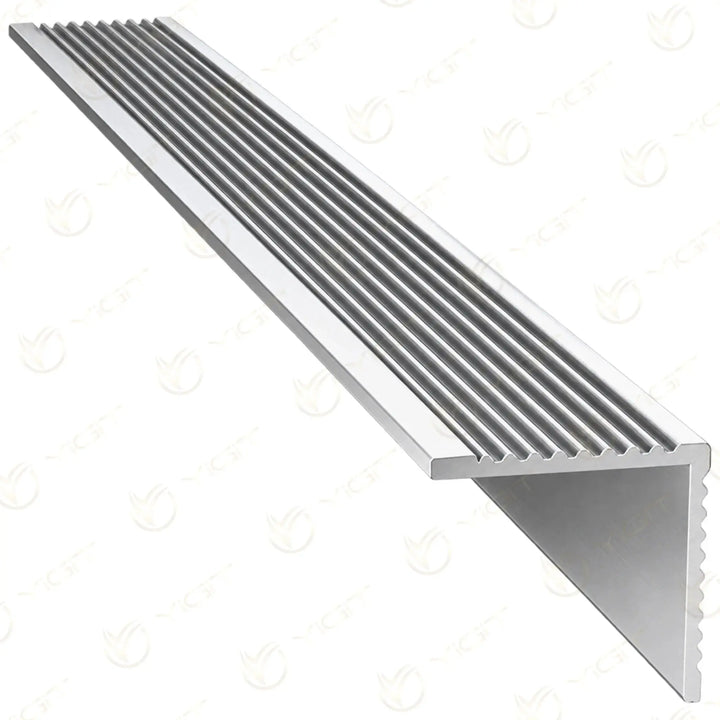
Tile profiles include different sections for tiling corners and edge finishes. Stair nosing profiles are chosen according to the geometry of the front edge. Flooring profiles deal with thresholds, level changes and transitions between coverings. In every group, the covering thickness and the finished surface level should be checked.
Furniture profiles cover handle, track, wardrobe rail, shelf, capping and other body sections. Screed and straightedge profiles are a separate group for plaster alignment and surface work. The size and functional needs of furniture fixing and of plastering should be assessed separately.
Decide whether you need a lighting channel, a covering edge, a corner, a threshold, a furniture fixing or a plastering tool. Go to the relevant product group first.
Measure the covering and board thickness, the joint gap or the channel opening. Read the model name together with the edge it corresponds to on the technical drawing.
Match parts such as a profile cover, a corner accessory or a track component with the relevant body and system. A similar appearance does not mean a common fixing.
A part that sits under the covering and a section fitted to the finished surface are installed at different stages. Decide on cutting, fixing and access needs before work starts.
Different types of aluminium profile can finish different joints in the same space. When the edge of the wall panel, the tile edge, the skirting height and the light line are considered together, the appearance of the metal surfaces can be planned more consistently. Even so, the technical suitability of each product must be verified separately, on the basis of its own section and application conditions.
Once you have identified the group that suits your need, review the product's technical table and section drawing. Assess the size, finish option and accessory information for the specific product. Resolve the fixing and finishing details before starting work; do not automatically apply the same fixing method to different product groups.
Identify the detail in your application; compare the profiles and accessory parts in the relevant category by their technical dimensions.
We use only essential cookies, which are needed for the site, the cart and your order to work. For details, see: Cookie and Explicit Consent Notice